
Museums in Madrid
Museums in Madrid are a central part of the city’s cultural identity. From internationally renowned art collections to smaller, highly specialized institutions, Madrid offers one of the most diverse museum landscapes in Europe. These museums not only preserve artistic and historical heritage but also shape how the city is understood, experienced, and remembered.
This guide brings together the most important museums in Madrid, offering an overview that helps you understand their role, scope, and relevance. From classical painting and sculpture to contemporary art, history, design, and science, Madrid’s museums cover centuries of creativity and cultural transformation.
Ready to discover the best Museums in Madrid?
Why Madrid Is a Major Museum City
Madrid’s status as a museum city is closely linked to its history as a royal capital and later as a modern cultural center. Royal collections, private donations, and public institutions have all contributed to the creation of museums that today attract millions of visitors each year.
Many of the most important Madrid museums are publicly owned and carefully managed by national and regional institutions, ensuring both preservation and accessibility. This institutional support allows Madrid to maintain a balance between safeguarding heritage and offering dynamic, evolving cultural programs.

The Art Museum Triangle (Paseo del Prado)
A Unique Cultural Axis
The heart of Madrid’s museum landscape lies along the Paseo del Prado, often referred to as the Art Triangle. This area concentrates three of the most important art museums in Madrid, forming one of the most significant cultural axes in Europe.
Within a short walking distance, visitors can explore different artistic periods, styles, and approaches, from classical European painting to modern and contemporary art. This proximity makes the Art Triangle an ideal starting point for anyone interested in Madrid’s museums.
Prado Museum
The Prado Museum is one of the most important art museums in the world and a cornerstone of Madrid’s cultural identity. Its collection focuses on European painting between the 12th and early 20th centuries, with masterpieces by Velázquez, Goya, Rubens, and Titian.
Beyond its collections, the Prado Museum building itself is a landmark of neoclassical architecture and a key element of Madrid’s historic urban planning.


Thyssen-Bornemisza Museum
The Thyssen-Bornemisza Museum complements the Prado by filling historical and stylistic gaps, offering a broad overview of Western art from the Renaissance to the late 20th century. Its collection includes Impressionism, Expressionism, and early modern movements rarely represented elsewhere in Madrid.
As part of the Art Triangle, it plays a crucial role in making Madrid’s museum offering coherent and comprehensive.
Reina Sofía Museum
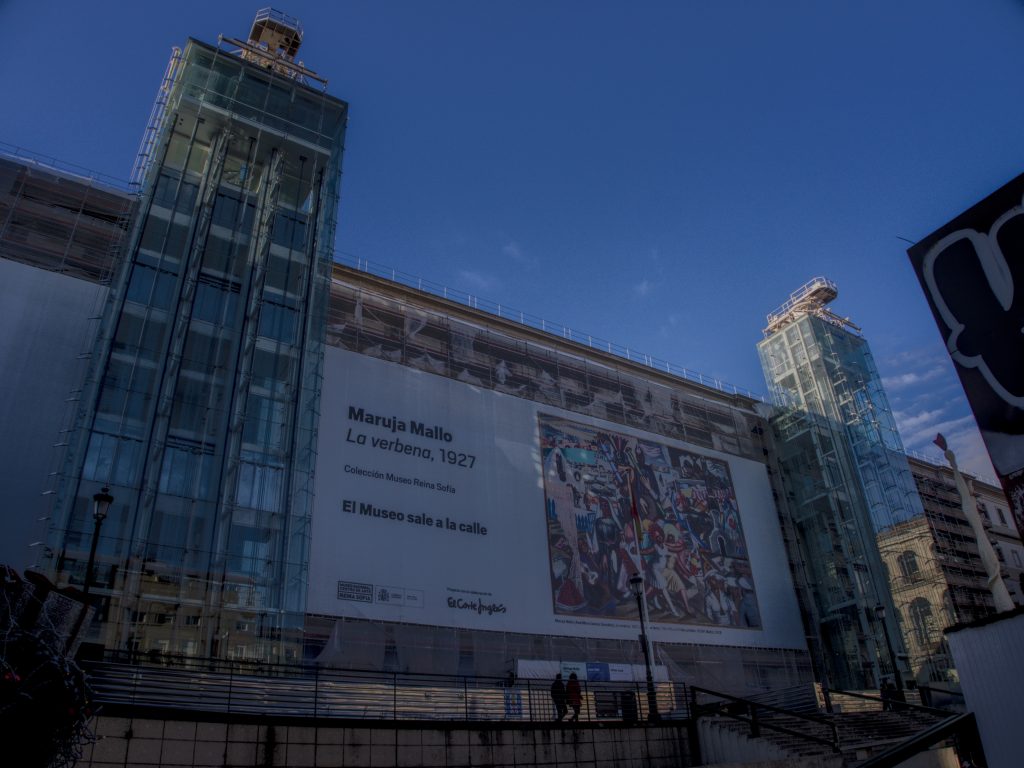
Focused on modern and contemporary art, the Reina Sofía Museum represents a different chapter in Madrid’s museum story. Its most famous work, Picasso’s Guernica, has made the museum an international reference point for 20th-century art.
Housed partly in a former hospital and expanded with contemporary architectural additions, the Reina Sofía reflects Madrid’s ability to adapt historic spaces for modern cultural use.

Museums Beyond the Art Triangle
While the Art Triangle defines Madrid’s global reputation, many other museums in Madrid contribute to the city’s cultural richness. Spread across different neighborhoods, these institutions allow visitors to explore specific themes, collections, and historical narratives.
This wider network of museums ensures that culture in Madrid is not limited to a single district, but integrated into the city’s everyday life.
History, Archaeology and Heritage Museums
History, archaeology, and heritage museums in Madrid provide essential context for understanding the city and the country as a whole. These institutions focus on the historical layers that shape Madrid, from ancient civilizations and archaeological remains to the social, political, and cultural evolution of Spain’s capital. Together, they complement art museums by offering a deeper, narrative-driven perspective on Madrid’s past.
National Archaeological Museum
The National Archaeological Museum offers a comprehensive overview of Spain’s history, from prehistoric times to the modern era. Its collections help contextualize Madrid’s role within a broader national and Mediterranean narrative.
As one of the most important history museums in Madrid, it provides essential background for understanding the country beyond art alone.

Museum of the History of Madrid
Dedicated specifically to the city itself, this museum traces Madrid’s evolution from a small settlement to a European capital. Through maps, artworks, and everyday objects, it offers insight into how the city’s identity has been shaped over time.
Museum of Romanticism
Housed in a 19th-century palace, the Museum of Romanticism offers an intimate look into bourgeois life, art, and social customs during the Romantic period. Rather than monumental masterpieces, it focuses on atmosphere, interiors, and daily life.
This type of museum shows how Madrid museums often excel not only through scale, but through narrative and detail.
Museums of Culture, Science and Everyday Life
Beyond fine art and history, many museums in Madrid focus on culture, science, and the everyday practices that define Spanish society. These institutions add depth to the city’s museum landscape and allow visitors to explore Madrid from different perspectives.
National Museum of Natural Sciences
The National Museum of Natural Sciences is one of the most important scientific museums in Madrid and a key reference for understanding biodiversity, geology, and the natural history of the planet. Its collections range from fossils and minerals to zoology and environmental research, making it especially relevant for visitors interested in science and education.
As part of the broader network of museums in Madrid, it complements art and history institutions by offering a different way of exploring knowledge, focused on nature, research, and scientific discovery.
National Museum of Anthropology
One of the oldest museums of its kind in Spain, the National Museum of Anthropology explores human diversity through cultural, social, and historical lenses. Its collections cover different continents and traditions, placing Madrid within a global cultural context.
As a cultural museum, it complements art-focused institutions by addressing identity, customs, and shared human experience.
Contemporary, Design and Specialized Museums
Madrid’s museum network also reflects contemporary creativity and innovation. These museums highlight design, fashion, communication, and modern cultural expressions.
Museum of Costume (Museo del Traje)
The Museum of Costume explores the history of clothing, fashion, and personal adornment in Spain, from traditional garments to contemporary design. Its collections trace how dress reflects social change, regional identity, and everyday life, offering a perspective that goes beyond art to focus on material culture and social history.
As one of the most distinctive museums in Madrid, the Museum of Costume connects fashion with anthropology, design, and craftsmanship. Its exhibitions help visitors understand how clothing has shaped personal expression and cultural traditions, making it especially relevant for those interested in fashion, design, and cultural heritage.
Railway Museum (Museo del Ferrocarril)
Located in a former railway station, this museum explores the history of rail transport in Spain. It appeals to visitors interested in industrial heritage, engineering, and social history.
Specialized museums like this one show the thematic diversity of museums in Madrid, appealing to different interests and audiences.
House Museums and Private Collections
Some of the most distinctive museums in Madrid are housed in former private residences and built around personal collections. These museums offer a more intimate experience, allowing visitors to explore art, design, and everyday life within the context of historic homes.
Sorolla Museum
Located in the former home and studio of Joaquín Sorolla, this museum preserves both the artist’s work and the atmosphere in which it was created. The garden, living spaces, and studios provide a unique insight into Sorolla’s life and artistic process.
Lázaro Galdiano Museum
The Lázaro Galdiano Museum is based on the private collection of José Lázaro Galdiano and spans a wide range of periods and styles, from medieval art to 19th-century painting. Its eclectic nature makes it one of the most intellectually stimulating museums in Madrid.
Cerralbo Museum
Housed in a 19th-century palace, the Cerralbo Museum offers a glimpse into aristocratic life in Madrid. Its interiors, decorative arts, and collections remain largely intact, making it both an art museum and a historical time capsule.
Museums Integrated into the City’s Neighborhoods
One of the strengths of Madrid’s museum offering is how deeply it is embedded in the urban fabric. Many museums are located within residential neighborhoods, encouraging visitors to explore beyond the main tourist areas.
Smaller institutions, house museums, and local cultural centers contribute to a more nuanced understanding of Madrid. They also help distribute cultural activity across the city, avoiding excessive concentration in a single district.

How Madrid Preserves and Manages Its Museums
Madrid’s museums benefit from a strong institutional framework that prioritizes preservation, research, and public access. National, regional, and municipal bodies work together to ensure collections are properly maintained and made accessible to diverse audiences.
Major institutions are supported by public funding and long-term conservation strategies, while temporary exhibitions and educational programs keep museums active and relevant. This balance allows Madrid museums to protect historical collections while remaining open to contemporary perspectives.

How to Visit Museums in Madrid Efficiently
With such a wide range of museums, planning becomes important. Many of the most visited museums in Madrid are located close to each other, especially around the Paseo del Prado, making combined visits and walking routes practical.
Visitors often choose to:
Free Entry Times and Accessibility
Most public museums in Madrid offer free entry during specific hours, usually in the late afternoon or on certain days of the week. This policy reflects the city’s commitment to cultural accessibility and public education.
Museums are generally well adapted for visitors with reduced mobility, and many offer multilingual resources, guided tours, and family-oriented activities.

Best Times to Visit and Photography Tips
Early mornings are ideal for major museums such as the Prado or Reina Sofía, especially during peak tourist seasons. Smaller museums tend to be quieter throughout the day, offering a more relaxed experience.
Photography policies vary depending on the institution and exhibition, so visitors should check rules in advance. Architecturally, many museum buildings are worth photographing from the outside, particularly along the Paseo del Prado and in historic neighborhoods.

Museums as Part of Madrid’s Cultural Identity
Museums in Madrid are not isolated attractions; they are active participants in the city’s cultural life. Temporary exhibitions, lectures, educational programs, and collaborations with international institutions keep Madrid connected to global cultural debates.
This dynamic approach ensures that museums in Madrid remain relevant not only to visitors, but also to residents, students, and researchers.

Explore Madrid Through Its Museums
Exploring Madrid through its museums offers a structured yet flexible way to understand the city. From world-famous masterpieces to intimate cultural spaces, museums provide context, depth, and continuity to the urban experience.
Used alongside itineraries, neighborhood guides, and thematic routes, Madrid’s museums form a comprehensive gateway to the city’s history, creativity, and cultural diversity.
